
Les Joynes
Rediscovering Cultural Memory in Japan
Les Joynes: Art, Japan and the Rediscovery of Cultural Memory
芸術、日本、そして文化の記憶を再発見する
1. Returning to Japan: A Journey Since 1985 - 日本への回帰:1985年から続く探究
My relationship with Japan began in 1985, when I first came to the country as an exchange student at Sophia University in Tokyo. That initial experience opened a lasting engagement with Japanese art, literature, history and culture. In 1997, I returned to Japan as a Monbusho (MEXT) Scholar, undertaking postgraduate studies at Musashino Art University in Tokyo, where I lived and studied until 2001.
These experiences established a relationship with Japan that has continued throughout my life and artistic career. Since then, I have lived and worked across Asia, Europe and the Americas, spending extended periods in countries including France, Germany, Belgium, the United Kingdom, Japan and India. Moving between these different cultural environments has profoundly shaped how I understand art, identity, history and the ways in which culture is transmitted.
Returning to Japan is therefore not simply a return to a place where I once studied. It is an opportunity to rediscover a culture through the perspective of the many other cultures I have encountered since my first arrival. Time, distance and experience have changed the questions I bring to Japan. I am interested in looking again at things that may once have seemed familiar, but which now reveal new meanings through the experience of living elsewhere.
My current research and artistic practice in Nagano are part of this continuing journey: an exploration of Japanese material culture, the memory embedded in everyday objects, and the relationship between cultural inheritance and contemporary life.
私と日本との関係は、1985年、上智大学の交換留学生として初めて来日したことから始まった。この最初の経験をきっかけに、日本の美術、文学、歴史、文化への関心は、その後も長く続いていくことになった。1997年には文部省奨学生として再び来日し、東京の武蔵野美術大学で大学院の研究に取り組み、2001年まで日本で生活し、学んだ。
これらの経験を通じて、日本との関係は私の人生と芸術活動のなかに深く根づいていった。その後、私はアジア、ヨーロッパ、南北アメリカで生活し、活動してきた。フランス、ドイツ、ベルギー、英国、日本、インドなど、さまざまな国や文化環境に身を置いてきた経験は、芸術、アイデンティティ、歴史、そして文化がどのように受け継がれていくのかという、私自身の考え方に大きな影響を与えている。
したがって、今回の日本への帰還は、かつて学んだ場所に単に戻ることではない。最初に日本を訪れて以来、私が出会ってきた多くの異なる文化を通して、日本という文化をあらためて発見する機会である。時間と距離、そしてその後の経験によって、日本に対して投げかける問いも変化してきた。かつては見慣れていたものを、異なる土地で暮らした経験を通してもう一度見つめ直すことで、そこに新たな意味を見いだしたいと考えている。
現在、長野で進めている研究と芸術実践も、この継続的な探究の一部である。日本の物質文化、日常の品々に刻まれた記憶、そして文化的な継承と現代の生活との関係を探っている。
2. Understanding Japan Through Multiple Cultural Perspectives - 複数の文化的視点から日本を理解する
Having lived and worked in different cultural environments, I have become increasingly interested in how our understanding of a culture changes according to where we stand in relation to it. We never encounter another culture from a completely neutral position. Our perceptions are shaped by our own histories, languages, experiences and assumptions.
Living in Japan in the late 1990s gave me one way of understanding the country. Subsequent experiences in Europe, Asia and the Americas have given me others. I now approach Japanese culture through a perspective that is simultaneously informed by long-term engagement and by the distance of an international, multicultural experience.
This position allows me to move between familiarity and difference. I am interested in the details that might otherwise be overlooked: the arrangement of a room, the relationship between an object and the space around it, the changing quality of light, the texture of a material, the traces of use, repair and age. These are not simply aesthetic details. They can reveal ways of thinking about time, memory, nature, impermanence and the relationship between people and the material world.
My interest is to explore the complexity of Japanese culture through sustained engagement, observation and exchange. I am interested in the ways Japanese traditions continue to exist, change and find new expression in contemporary life.
Art provides a means of entering these questions. Through making, collecting, observing and working with materials, I explore how cultural knowledge is carried not only through texts and historical records, but also through objects, spaces, gestures and everyday practices.
異なる文化環境のなかで生活し、活動してきた経験から、私は、ある文化に対する理解が、自分がその文化とどのような位置関係にあるかによって変化することに、ますます関心を持つようになった。他の文化に出会うとき、私たちは完全に中立な立場にいるわけではない。自分自身の歴史、言語、経験、そして既成の考え方を通して、他の文化を見ている。
1990年代後半に日本で生活した経験は、私にとって日本を理解する一つの視点をもたらした。その後のヨーロッパ、アジア、南北アメリカでの経験は、さらに異なる視点を与えてくれた。現在、私は長年にわたる日本との関わりと、国際的で多文化的な経験から生まれた距離感の両方を通して、日本文化に向き合っている。
この立場は、親しみと異質さのあいだを行き来することを可能にする。私は、普段は見過ごされてしまうかもしれない細部に関心を持っている。部屋の構成、物とその周囲の空間との関係、移り変わる光の質、素材の手触り、使用や修復、時間の経過によって残された痕跡。これらは単なる美的な細部ではない。時間、記憶、自然、無常、そして人間と物質世界との関係についての考え方を明らかにするものでもある。
私の関心は、日本を異国情緒のある、あるいは変化しない文化として紹介することでも、外部から日本を説明できると主張することでもない。むしろ、継続的な関わり、観察、対話を通して、日本文化の複雑さを探究したいと考えている。日本の伝統が現代の生活のなかでどのように受け継がれ、変化し、新たな表現を見いだしているのかに関心がある。
芸術は、こうした問いに向き合うための一つの方法となる。制作し、収集し、観察し、素材と向き合うことを通して、文化的な知識が、文章や歴史的記録だけでなく、物、空間、身振り、そして日常の実践のなかにどのように受け継がれているのかを探っている。
3. Jun'ichirō Tanizaki: Light, Shadow and Material Culture - 谷崎潤一郎:光と影、そして物質文化
An important part of my ongoing engagement with Japan is my research into the writing of Jun'ichirō Tanizaki. His work offers a particularly rich way of thinking about the relationship between aesthetics, material culture, architecture and everyday experience.
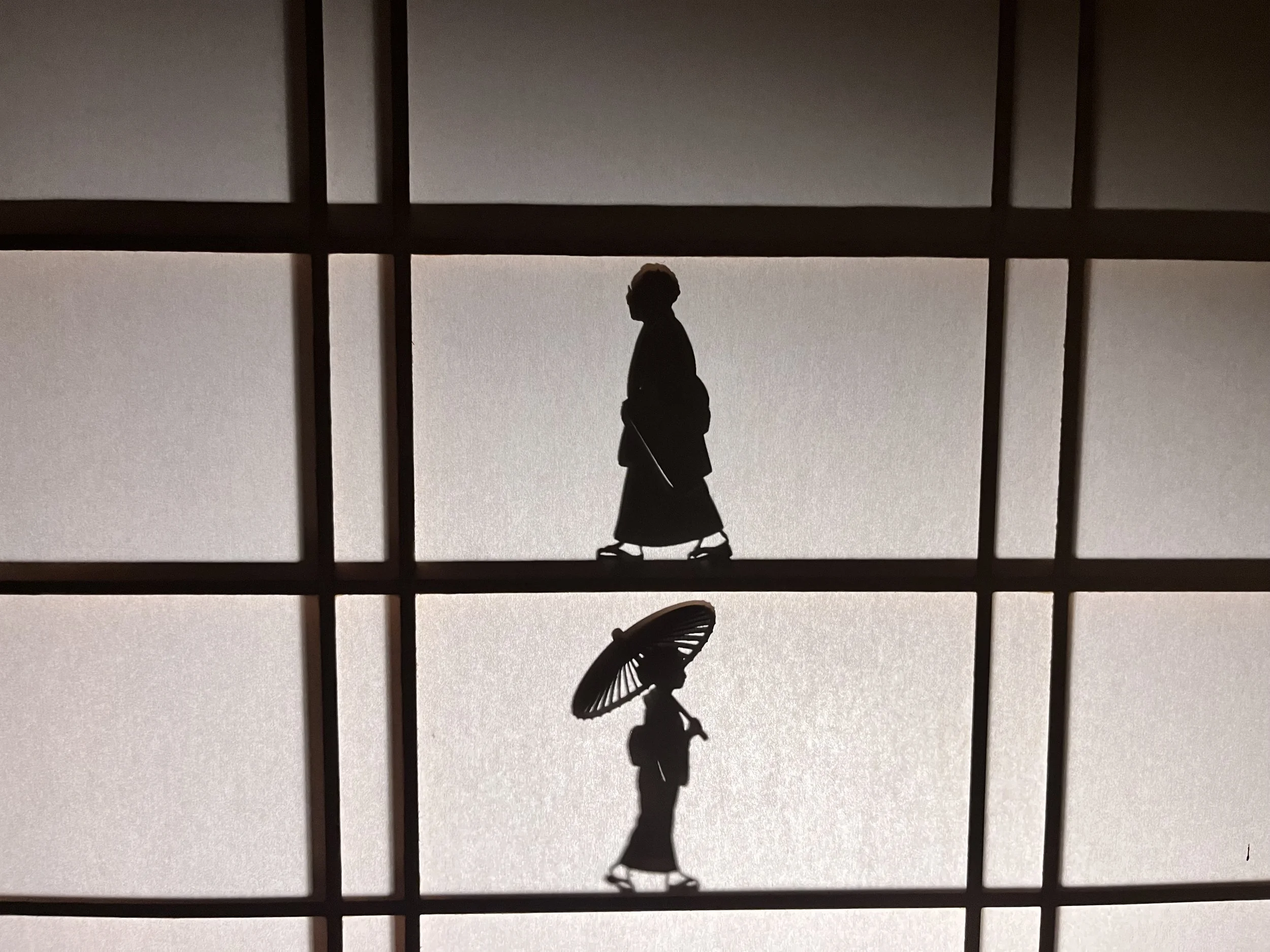
In In Praise of Shadows (In'ei Raisan), Tanizaki considers the subtle qualities of Japanese spaces and objects: the depth of shadow, the character of subdued light, the surface of lacquer, the translucency of paper, the texture of wood, and the atmosphere created by the relationship between objects and their surroundings. His observations are not simply about visual appearance. They suggest a broader understanding of how aesthetic experience emerges through material, environment, history and cultural sensibility.
I am particularly interested in the way Tanizaki describes the experience of space as something that is felt and inhabited, rather than simply seen. Light is not merely illumination; shadow is not simply an absence of light. Both participate in the formation of an atmosphere, and in the way we experience objects, rooms and the passage of time.
These ideas have become increasingly relevant to my own artistic practice. I am interested in how materials carry cultural memory, how objects accumulate traces of use, and how the qualities of light, shadow and translucency can transform our perception of a space.
Tanizaki's writing provides an important point of departure, but my research also involves encountering the material world directly: looking at traditional Japanese objects, architecture, domestic interiors, craft practices and the ways in which older materials and forms continue to exist in contemporary settings.
Through this work, I hope to develop a deeper understanding of the relationship between Japanese aesthetic thought and the experience of living with objects. It is an inquiry into how a culture can be encountered not only through its historical narratives, but through the physical and sensory world it creates.
私が日本との関わりを続けるうえで、重要な位置を占めているのが、谷崎潤一郎の著作に関する研究である。谷崎の作品は、美意識、物質文化、建築、そして日常の経験の関係を考えるうえで、非常に豊かな視点を与えてくれる。
『陰翳礼讃』において、谷崎は日本の空間や物が持つ繊細な性質について考察している。影の奥行き、抑えられた光の性質、漆の表面、紙の透過性、木の質感、そして物とその周囲の環境との関係から生まれる雰囲気。彼の考察は、単なる視覚的な美しさについてのものではない。素材、環境、歴史、文化的な感性を通して、美的な経験がどのように生まれるのかという、より広い理解を示している。
私が特に関心を持っているのは、谷崎が空間を、単に目で見るものではなく、身体で感じ、そこに身を置くものとして描いている点である。光は単なる照明ではなく、影は単に光の欠如でもない。光と影の双方が空間の雰囲気をつくり、私たちが物や部屋、そして時間の経過をどのように経験するかに関わっている。
こうした考え方は、私自身の芸術実践にとっても、ますます重要なものとなっている。素材がどのように文化的な記憶を宿すのか、物が使用の痕跡をどのように蓄積するのか、そして光、影、透過性の性質が空間の知覚をどのように変えるのかに関心がある。
谷崎の文章は、私の探究にとって重要な出発点である。しかし、研究は文章を読むことだけにとどまらない。日本の伝統的な道具や物、建築、住空間、工芸の実践、そして古い素材や形態が現代の環境のなかでどのように存在し続けているのかを、実際に見て、触れ、経験することも含まれている。
この探究を通して、日本の美意識と、物とともに暮らす経験との関係を、より深く理解したいと考えている。それは、文化を歴史的な物語だけでなく、その文化が生み出してきた物質的、感覚的な世界を通して理解する試みでもある。
4. Material Cultures / What Remains - 物質文化/何が残るのか
My current research in Nagano, develops these interests through an engagement with the material culture of everyday life. Working with found objects, architectural fragments, traditional materials and existing structures, I am exploring how cultural memory is embedded in the physical world.
The project, Material Cultures / What Remains, asks what survives as cultures change. Which objects, materials, practices and forms of knowledge continue to be passed on? Which disappear, become displaced or lose their original meaning? And what happens when materials from the past are encountered in a new context?
I am particularly interested in the process through which objects acquire meaning over time. A discarded object may carry the traces of a former household, a particular way of making, or a pattern of everyday use. A traditional building material may reveal the relationship between local resources, craftsmanship and the environment. These things can become points of entry into histories that are not always recorded in official accounts.
In Nagano I am working with the existing material and architectural environment as a starting point for new installations and experiments with light, shadow and space. Rather than treating traditional objects as historical artefacts to be preserved at a distance, I am interested in how they might be reactivated through contemporary artistic practice.
The work is therefore both an act of rediscovery and a form of making. It brings together observation, research, material experimentation and the creation of new encounters between objects, spaces and audiences.
The question at its centre is simple: what remains? But the answers are complex. They may be found in the physical survival of an object, in a technique that continues to be practised, in a memory passed between generations, or in a new meaning that emerges when something familiar is seen differently.
現在、長野県辰野町で進めている研究は、日常生活の物質文化と向き合うことを通して、こうした関心をさらに発展させるものである。見つけた物、建築の断片、伝統的な素材、既存の構造物などを扱いながら、文化的な記憶が物質世界のなかにどのように刻まれているのかを探っている。
《Material Cultures / What Remains(物質文化/何が残るのか)》と題したこのプロジェクトでは、文化が変化するなかで、何が残り続けるのかを問いかける。どのような物、素材、実践、知識が受け継がれていくのか。何が失われ、別の場所へ移され、あるいは本来の意味を失っていくのか。そして、過去の素材が新たな文脈のなかで出会い直されるとき、何が起こるのか。
私が特に関心を持っているのは、物が時間の経過とともに意味を獲得していくプロセスである。捨てられた物であっても、かつての家族の暮らし、ある特定のものづくりの方法、日々の使用の痕跡を宿していることがある。伝統的な建築素材は、地域の資源、職人の技術、環境との関係を明らかにすることがある。こうした物は、公的な記録には必ずしも残されていない歴史へと入っていくための手がかりとなる。
辰野では、既存の物質的・建築的環境を出発点として、新たなインスタレーションや、光、影、空間をめぐる実験に取り組んでいる。伝統的な物を、距離を置いて保存されるべき歴史的な遺物として扱うのではなく、現代の芸術実践を通して、どのように再び生きたものとして立ち上げることができるのかに関心がある。
したがって、この制作は再発見の行為であると同時に、新たなものをつくり出す行為でもある。観察、研究、素材の実験を通して、物、空間、観客のあいだに新しい出会いを生み出していく。
その中心にある問いは、シンプルである。何が残るのか。しかし、その答えは複雑だ。それは、物が物質として残ることかもしれない。受け継がれている技術かもしれない。世代を超えて伝えられる記憶かもしれない。あるいは、見慣れたものを異なる視点から見直したときに生まれる、新たな意味なのかもしれない。
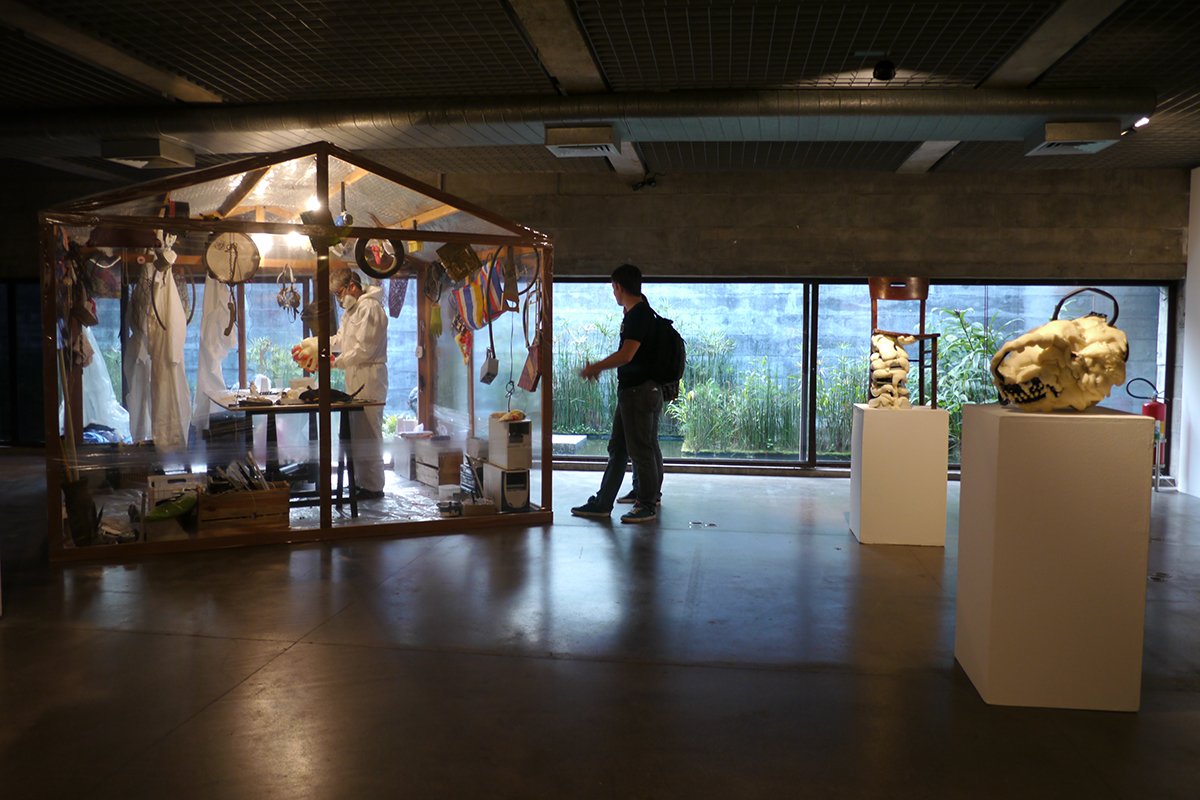
FormLAB - Sao Paulo
FormLAB created US-Brazil collaborations at the Brazilian Museum of Sculpture, Sao Paulo, Brazil. 2023-2026 © Les Joynes, ARS New York and DACS London.
5. FormLAB: Art as a Space of Encounter - FormLAB:出会いの場としての芸術
FormLAB (FormLaboratory), which I founded in London in 1997, is an ongoing artistic and research practice concerned with the conditions in which creativity emerges. It began with an attempt to turn the traditional studio inside out: to make visible the processes, encounters and exchanges that usually take place behind the closed doors of artistic production.
Rather than understanding the artwork only as a finished object, FormLAB considers the relationships between materials, people, actions, spaces and the circumstances in which something is made. The creative process becomes a site of encounter, where ideas are tested, unexpected connections emerge and new possibilities take shape.
Over the years, FormLAB has developed through projects and collaborations across Europe, Asia and the Americas, including work in museums and public spaces. It has provided a framework for exploring how creativity operates across cultural boundaries and how artistic practice can make the process of making visible to others.
My current research in Japan brings these interests into a renewed relationship with Japanese material culture. The emphasis is not simply on the production of new artworks, but on what can be learned through encounters with existing objects, materials, architecture and cultural practices.
FormLAB remains an evolving framework through which I explore how art can connect people, places, histories and ways of seeing.
私が1997年にロンドンで創設したFormLAB(FormLaboratory)は、創造性が生まれる条件を探究する、継続的な芸術実践・研究活動である。その出発点は、従来のスタジオの内側を外へと開き、通常は芸術制作の閉ざされた扉の向こうで起きているプロセス、出会い、交流を可視化することだった。
FormLABでは、芸術作品を完成した物体としてのみ捉えるのではなく、素材、人々、行為、空間、そして制作が行われる状況のあいだに生まれる関係に注目する。創造のプロセスは、アイデアが試され、予期しなかったつながりが生まれ、新たな可能性が形づくられていく出会いの場となる。
これまでFormLABは、ヨーロッパ、アジア、南北アメリカのさまざまなプロジェクトや協働を通して発展してきた。美術館や公共空間での活動も含まれ、文化の境界を越えて創造性がどのように働くのか、また芸術実践を通して制作のプロセスを他者にどのように見せることができるのかを探究してきた。
現在の日本での研究は、こうした関心を日本の物質文化との新たな関係のなかに位置づけ直すものである。そこでは、新しい作品を制作することだけでなく、既存の物、素材、建築、文化的な実践との出会いを通して何を学ぶことができるのかを重視している。
FormLABは、芸術が人々、場所、歴史、そして異なるものの見方をどのようにつなぐことができるのかを探る、進化し続ける枠組みである。

Les Joynes, Shifting 0.00000000103279% of the Great Wall (2017), China. 2009-2025 © Les Joynes, ARS New York and DACS London.
6. Research, Dialogue and Columbia University - 研究と対話:コロンビア大学での活動
My research has always developed through dialogue between artistic practice, critical thought and cultural experience. In 2025, I was invited to Columbia University as a Visiting Scholar in Modern and Contemporary Art History, engaging in dialogue around the relationship between artistic practice, concepts and form, and the development of new painting, collage and installation work.
Krauss's influential contribution to contemporary art criticism and art history has provided an important intellectual context for this exchange. My wider research, however, continues to move across disciplines and geographical boundaries, bringing together questions of materiality, perception, cultural memory and the ways in which art is experienced.
I see research and artistic practice as interconnected activities. Writing, looking, making and exchanging ideas are not separate stages, but different ways of approaching the same questions. My work is informed by art history and critical theory, but it also develops through direct encounters with places, objects, people and materials.
The return to Japan has opened a particularly important space for this work. It allows me to bring together a long-standing engagement with Japanese culture and the perspectives acquired through decades of international experience.
私の研究は、常に芸術実践、批評的思考、そして文化的な経験のあいだに生まれる対話を通して発展してきた。2025年には、ロザリンド・クラウスの招きにより、コロンビア大学の近現代美術史の客員研究員として活動を開始した。そこでは、芸術実践と概念、形式との関係について対話を重ねるとともに、新たな絵画、コラージュ、インスタレーション作品の展開に取り組んでいる。
現代美術批評および美術史におけるクラウスの重要な仕事は、この対話にとって大切な知的背景となっている。一方、私自身の研究は、引き続き分野や地理的な境界を横断し、物質性、知覚、文化的記憶、そして芸術がどのように経験されるのかという問いを結びつけている。
私は、研究と芸術実践を相互に結びついた活動として捉えている。書くこと、見ること、つくること、考えを交換することは、別々の段階ではなく、同じ問いに向き合うための異なる方法である。私の活動は美術史や批評理論に支えられているが、同時に、場所、物、人々、素材との直接的な出会いを通して発展している。
日本への帰還は、こうした活動にとって特に重要な場を開いてくれた。長年にわたる日本文化との関わりと、数十年に及ぶ国際的な経験を通して得た視点を、ここで結び合わせることができる。
7. About Les Joynes - レス・ジョインズについて
Les Joynes (PhD) is a multimedia artist, researcher and coach whose work explores the intersections of art, material culture, cultural memory and creativity. He is the founder of FormLAB, an experimental artistic and research practice established in London in 1997.
His relationship with Japan began in 1985 as an exchange student at Sophia University in Tokyo. He returned in 1997 as a Monbusho/MEXT Scholar to undertake postgraduate studies at Musashino Art University, where he remained until 2001. His continuing engagement with Japanese art, literature and culture informs his current research and artistic practice in Nagano.
He is a Visiting Scholar in Modern and Contemporary Art History. He has also held a research appointment at Teachers College, Columbia University. He holds an MA in Fine Art from Goldsmiths, University of London; a degree from Musashino Art University, Tokyo; a PhD in Fine Art from Leeds Metropolitan University; and has undertaken postdoctoral research at the University of São Paulo and the University of the Arts London.
A Fulbright Scholar in India, he has received US Public Diplomacy Awards relating to Mongolia and China, as well as the Monbusho/MEXT Award in Japan. He has curated and produced exhibitions and performances across Brazil, Japan, South Korea, Mongolia, China, Singapore and India, and served on the curatorial team for the inaugural Taipei Biennial.
His work has been presented at the Barbican, the Art Gallery of New South Wales, the Museum of Brazilian Sculpture in São Paulo, the Inside Out Art Museum in Beijing, the Norimatsu Museum and Thomas Jaeckel Gallery, among others. His writing has appeared in Art in America and Flash Art, and his work has been featured by NHK and Ehime Shimbun.
Alongside his artistic and research practice, he works as a creativity and leadership coach, mentors founders at NEW INC, the New Museum's cultural incubator, and is an Innovation Coach with the European Innovation Council. He is based in New York and works internationally.
レス・ジョインズ は、芸術、物質文化、文化的記憶、創造性の交差点を探究するマルチメディア・アーティスト、研究者、コーチである。1997年にロンドンで設立した実験的な芸術・研究活動FormLABの創設者でもある。
日本との関係は、1985年に東京の上智大学へ交換留学生として来日したことから始まった。1997年には文部省奨学生として再び来日し、武蔵野美術大学で大学院の研究に取り組み、2001年まで日本に滞在した。日本の美術、文学、文化との継続的な関わりは、現在の長野での研究と芸術実践にも影響を与えている。
2025年にはロザリンド・クラウスの招きによりコロンビア大学で活動を開始し、近現代美術史の客員研究員を務めている。また、同大学ティーチャーズ・カレッジでも研究活動に携わってきた。
ロンドン大学ゴールドスミスでファインアートの修士号を取得。東京の武蔵野美術大学で学び、リーズ・メトロポリタン大学でファインアートの博士号を取得した。また、サンパウロ大学およびロンドン芸術大学で博士研究後の研究活動を行った。
インドでフルブライト奨学生として活動し、モンゴルおよび中国に関する米国のパブリック・ディプロマシー賞、日本の文部省奨学金を受けている。ブラジル、日本、韓国、モンゴル、中国、シンガポール、インドなどで展覧会やパフォーマンスを企画・制作し、第1回台北ビエンナーレのキュレーション・チームにも参加した。
作品は、バービカン、ニューサウスウェールズ州立美術館、サンパウロのブラジル彫刻美術館、北京のInside Out Art Museum、ノリマツ美術館、Thomas Jaeckel Galleryなどで発表されている。執筆は『Art in America』および『Flash Art』に掲載され、作品や活動はNHKや『愛媛新聞』でも紹介されている。
芸術および研究活動と並行して、創造性とリーダーシップのコーチとしても活動している。ニューミュージアムの文化創造拠点NEW INCで創業者のメンタリングを行い、欧州イノベーション会議(EIC)のイノベーション・コーチも務める。ニューヨークを拠点に、国際的に活動している。

Discussion on Joseph Beuys and Andy Warhol with a Reindeer n Khovsgol, Mongolia (2014), chromogenic print. © Les Joynes, ARS New York and DACS London.
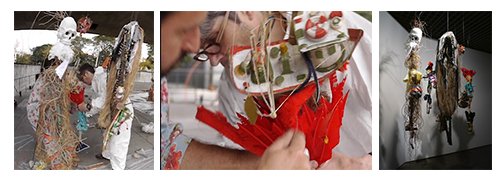
FormLAB performance incorporating ritual into sculpture (2012)
FormLAB at the Brazilian Museum of Sculpture, Sao Paulo, Brazil. 2012 © Les Joynes, ARS New York and DACS London.

Earth/ Balance, Great Wall, China (2017). 2009-2025 © Les Joynes, ARS New York and DACS London.
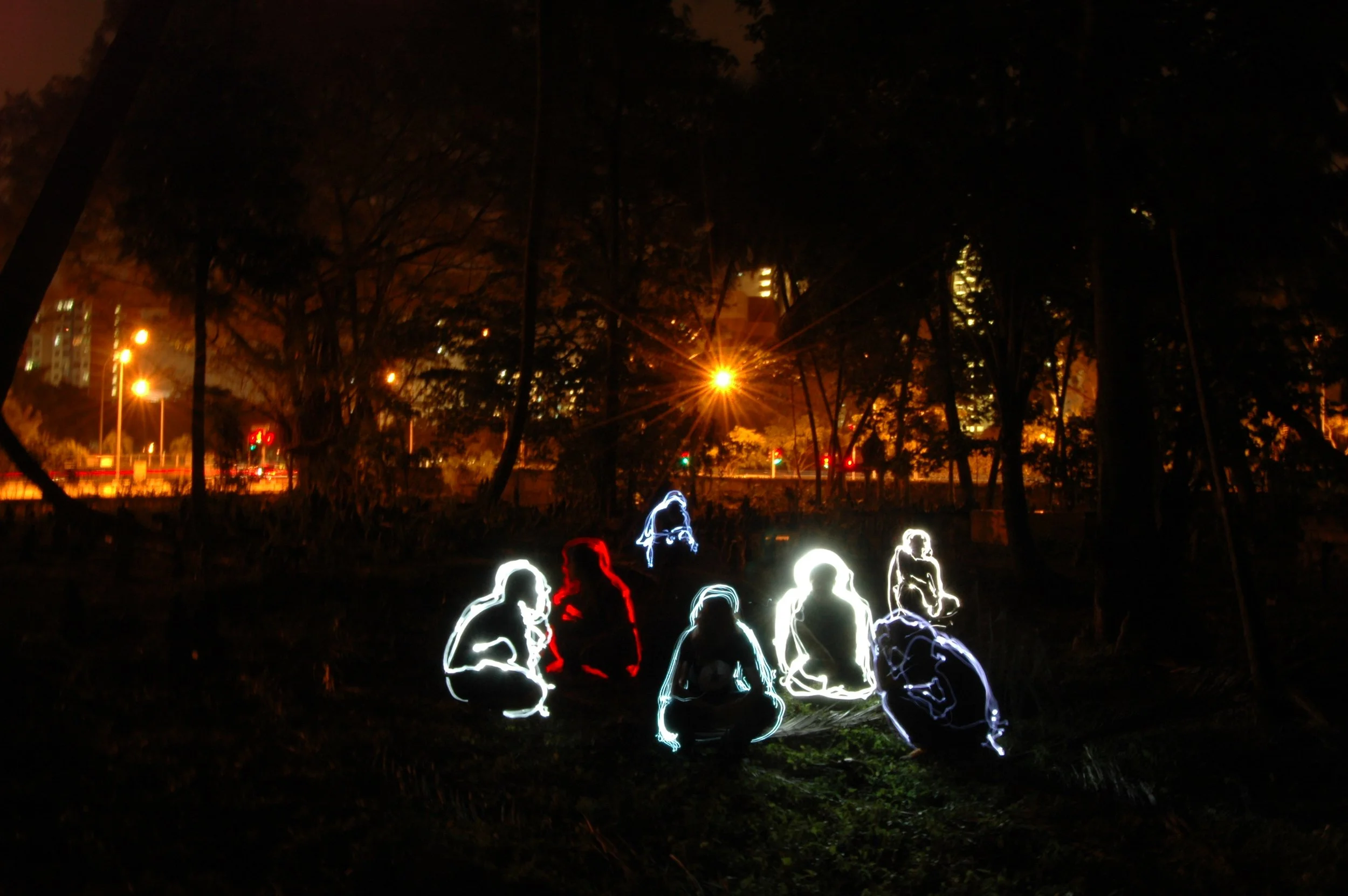
FormLAB performances in Singapore (2009) with La Salle College of the Arts and Nanyang Academy of Art. 2009-2025 © Les Joynes, ARS New York and DACS London.
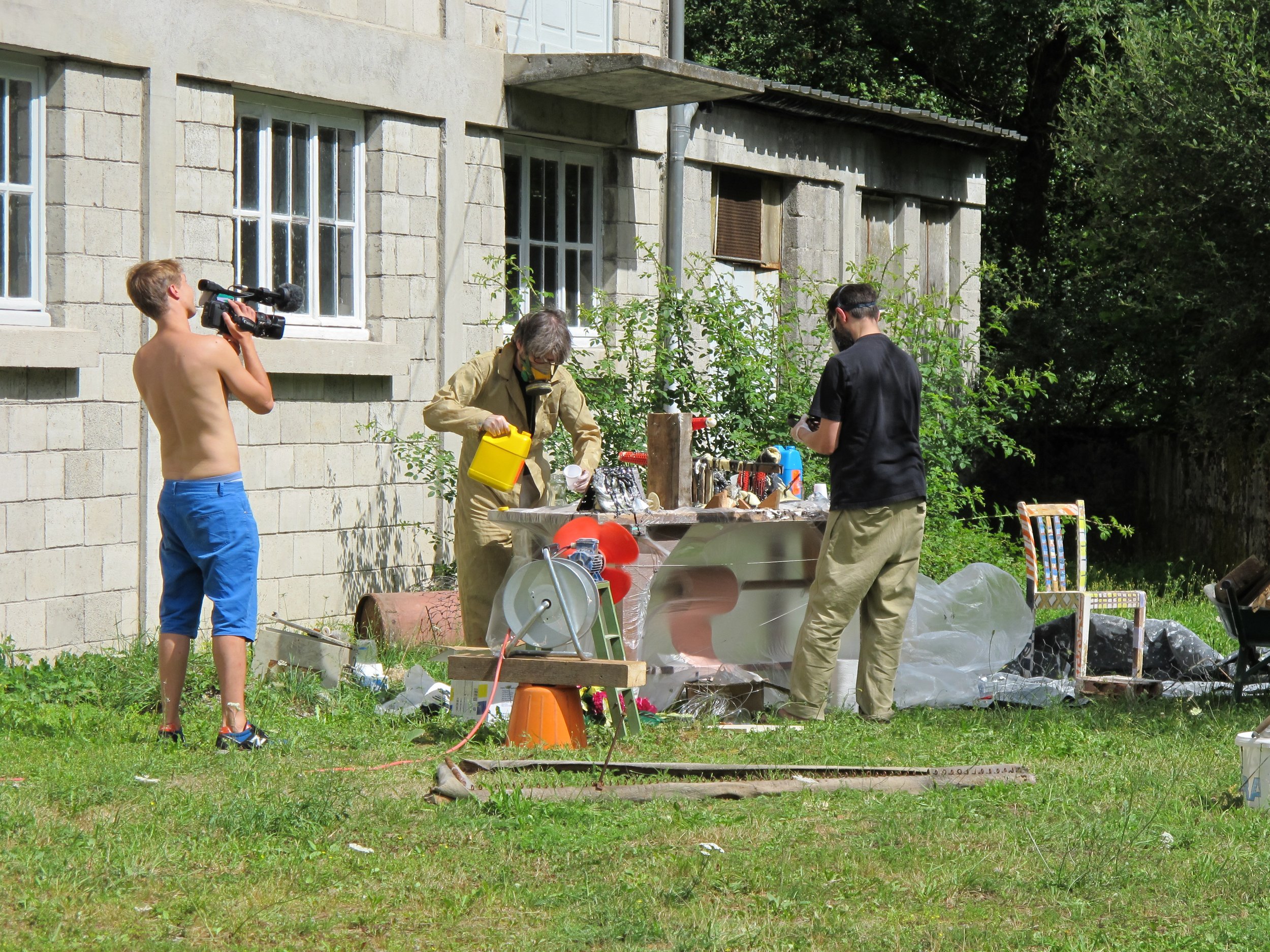
FormLAB assemblage performance, Teignac Projet, Sorreze, France , 2010 © Les Joynes, ARS New York and DACS London.
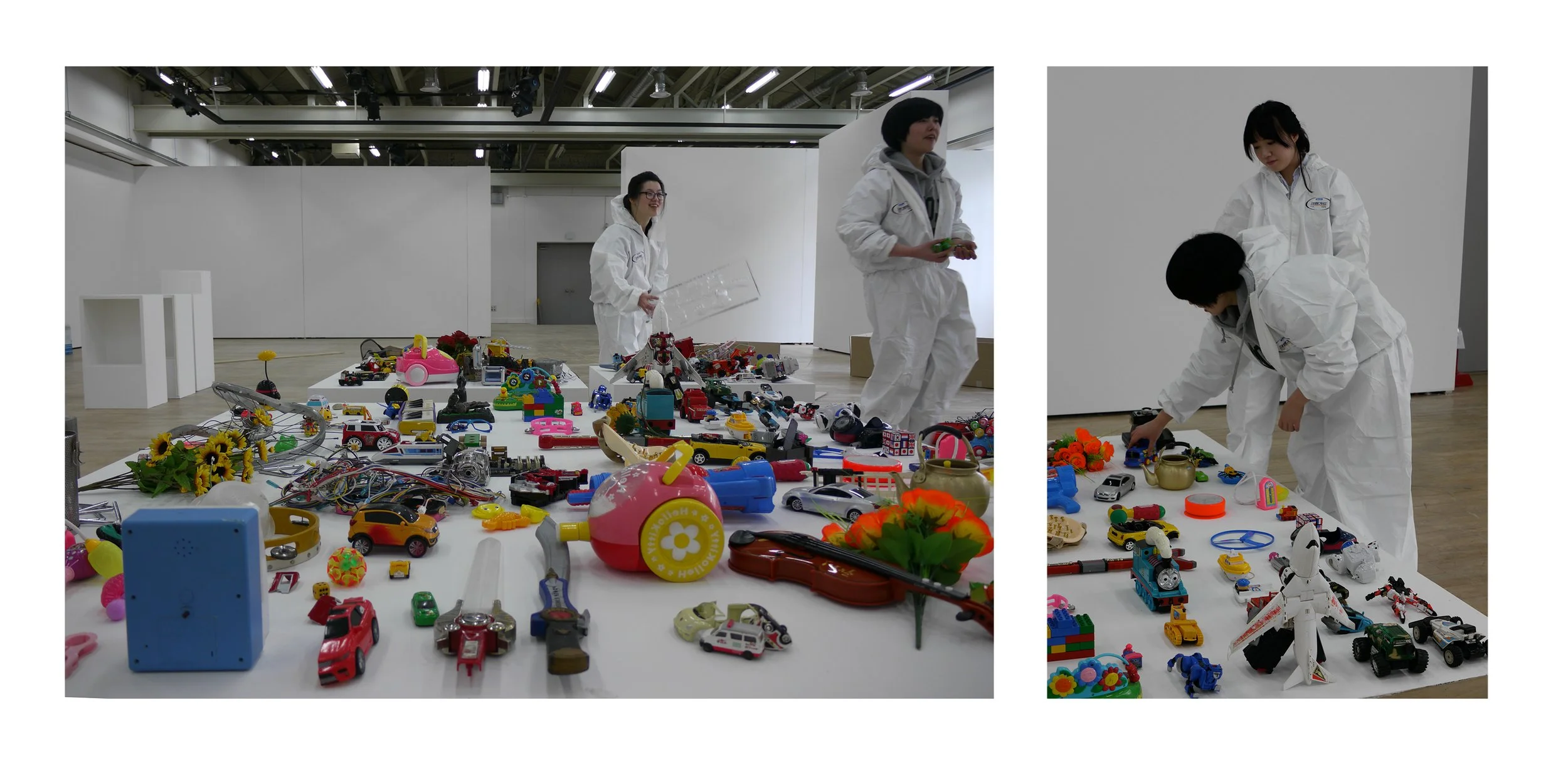
Assemblage performance, Seoul Foundaiton for Art and Culture, Seoul 2009 © Les Joynes, ARS New York and DACS London.
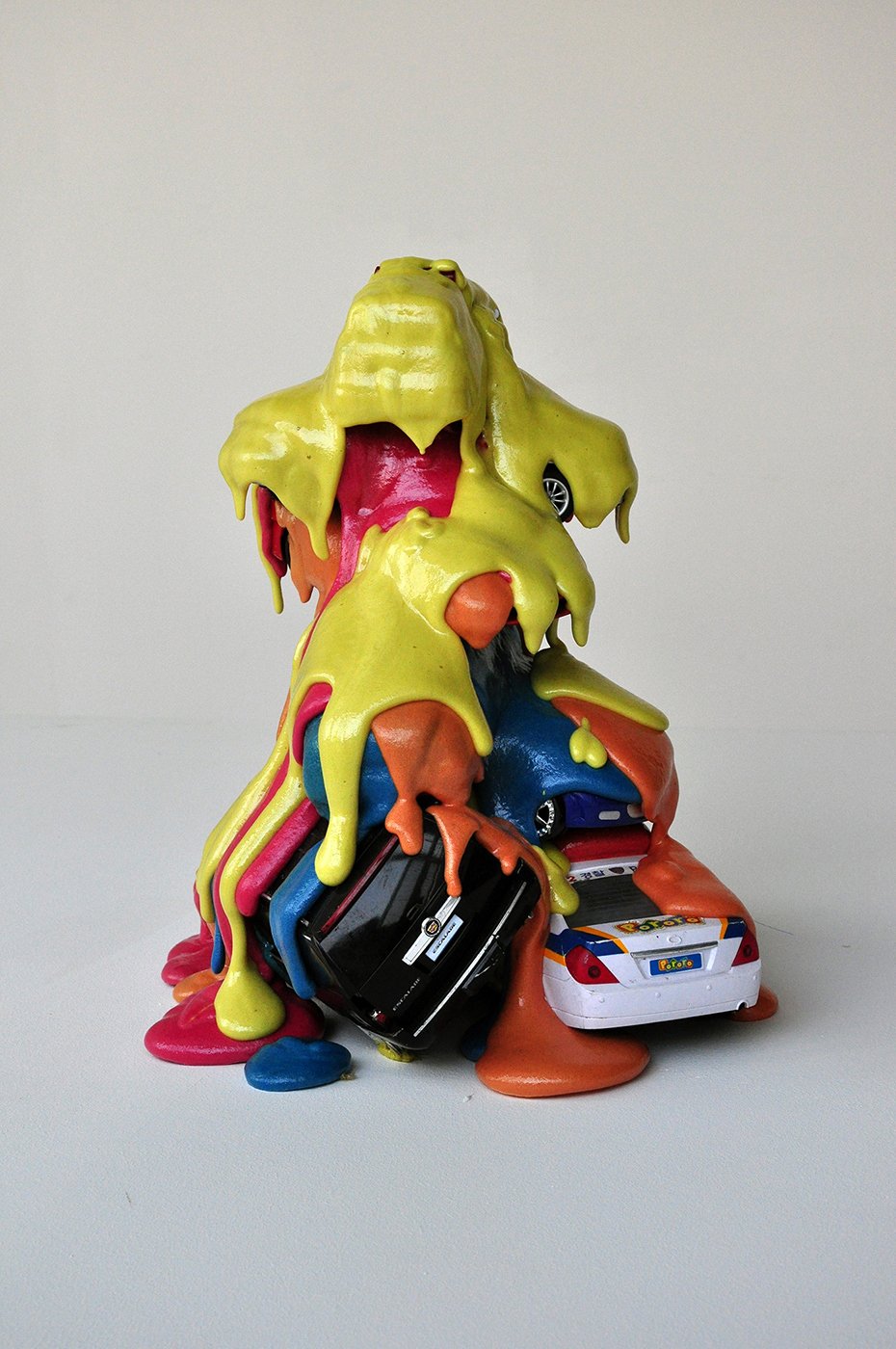
Artifact from assemblage performance, Seoul Foundaiton for Art and Culture, Seoul 2009 © Les Joynes, ARS New York and DACS London.
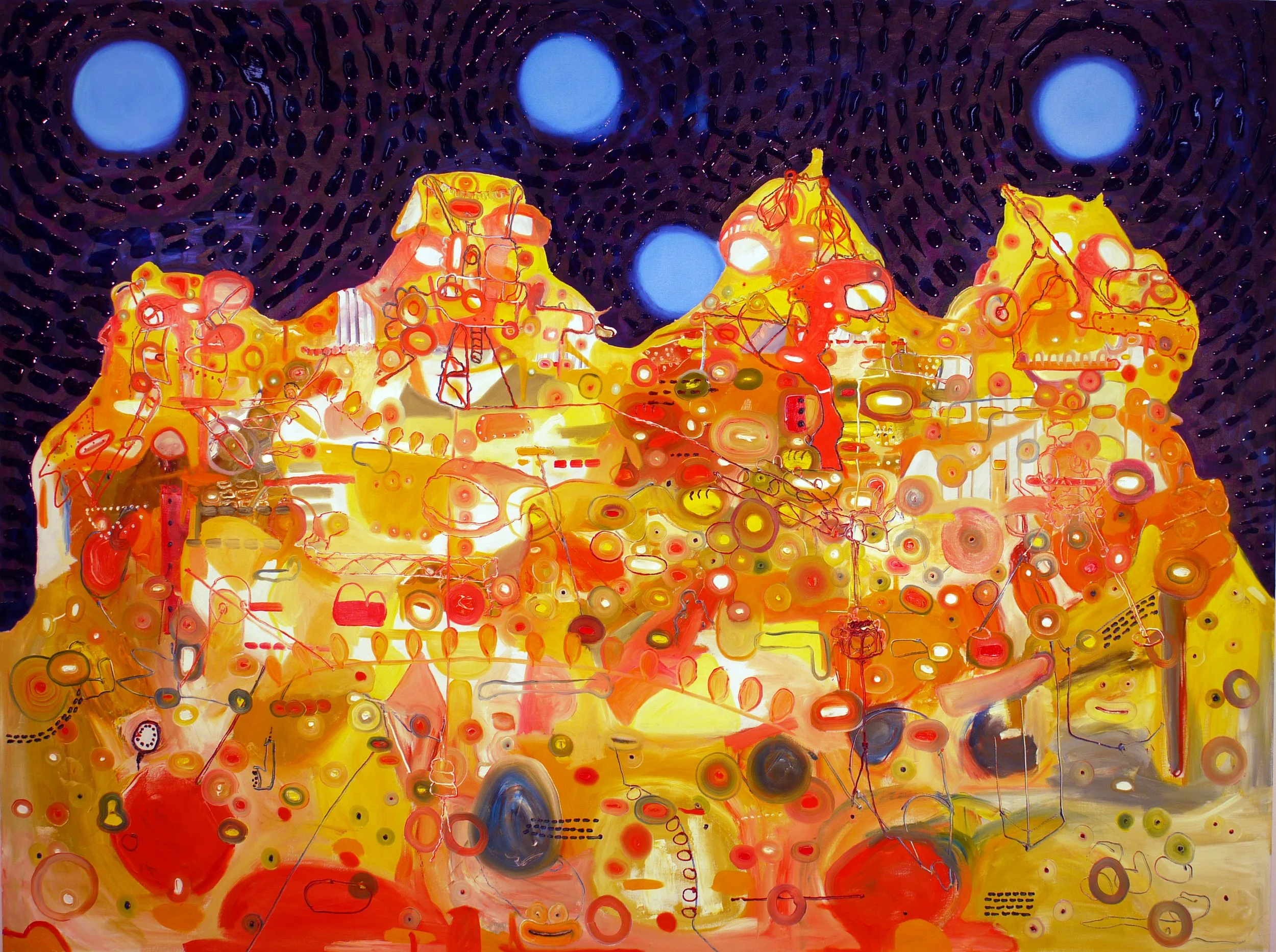
Four Fathers (2011) Oil on Canvas, 54 x 72 in. © Les Joynes, ARS New York and DACS London.

FormLAB explores the layered colonial histories of Taiwan with the exhibition Sugar (2024), ByWood Gallery, Kaohsiung, Taiwan. 2009-2025 © Les Joynes, ARS New York and DACS London.
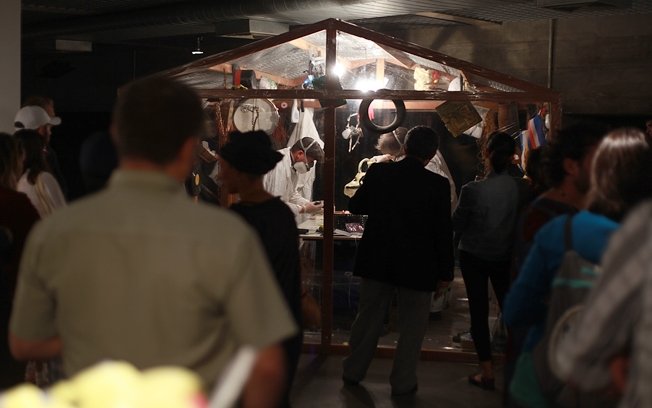
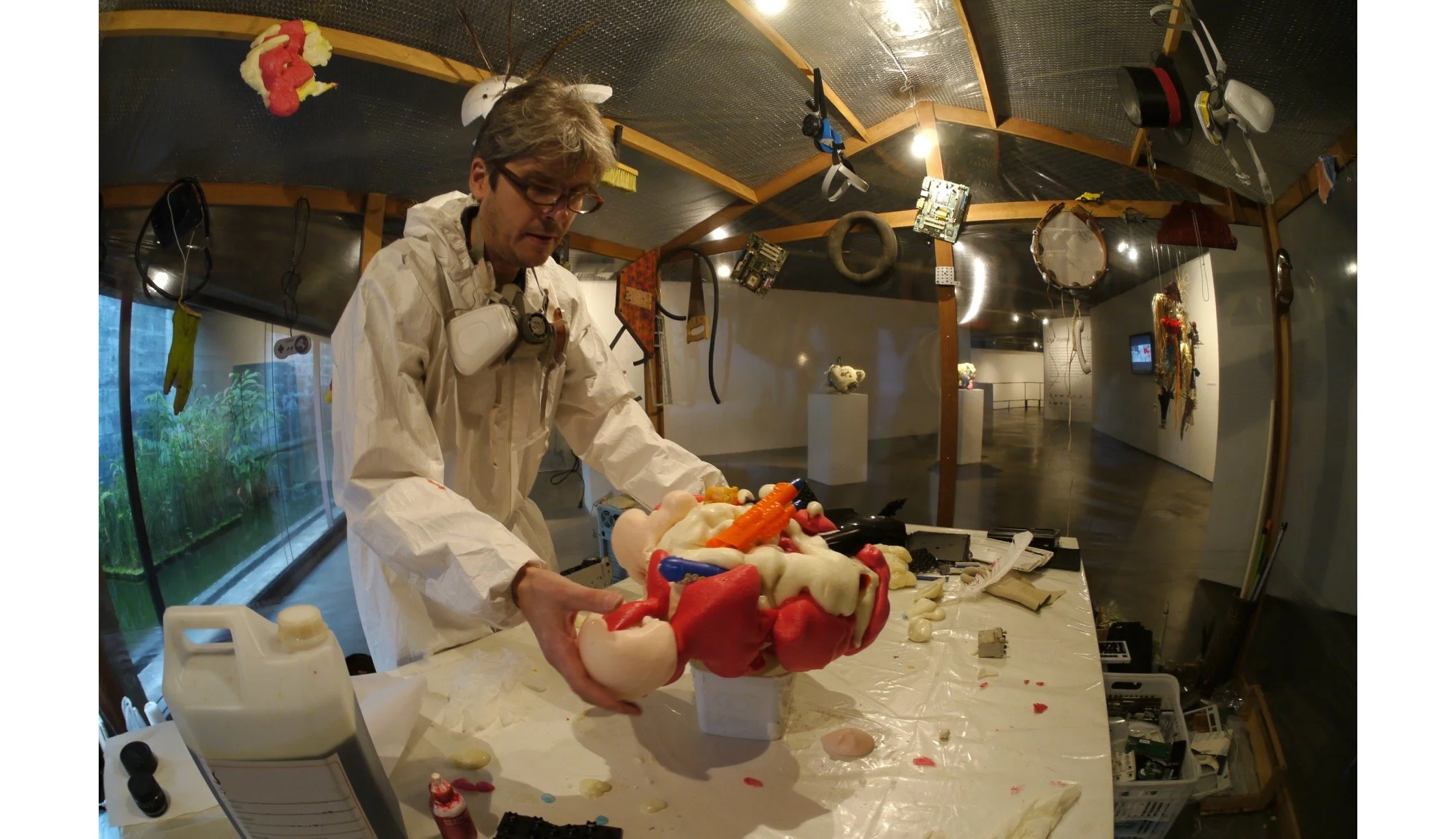
Installation of FormLAB “factory” at Brazilian Museum of Sculpture, Sao Paulo, Brazil 2012 © Les Joynes, ARS New York and DACS London.

Installation of FormLAB “factory” at Brazilian Museum of Sculpture, Sao Paulo, Brazil 2012 © Les Joynes, ARS New York and DACS London.


Site specific video work exploring the city of Sao Paulo in Brazil - still images of Sleeping in República (São Paulo) (video 3 min, 2013), 2023-2025 © Les Joynes, ARS New York and DACS London.

FormLAB explores nomadic reindeer communities in Northern Mongolia as part of a Fulbright-Hays US public diplomacy project. Still from Shapeshifter (Mongolia) 2014.video 2 min 56, 2014 © Les Joynes, ARS New York and DACS London.
Joynes’s work has featured at the Tobichi Art Museum Japan (2026), National Museum of Taiwanese Literature (2023), ByWoods Gallery, Kaohsiung, Taiwan (2023), Douba Film Festival, China (2019), Inside Out Art Museum, Beijing (2017), Museum of Brazilian Arts (MAB-FAAP), Sao Paulo, Brazil (2015), Zanabazar Museum of Fine Art, Ulaanbaatar, Mongolia (2014), 976 Gallery, Ulaanbaatar, Mongolia. Launch for Venice Biennale (2014), Fundação Armando Alvares Penteado, São Paulo (2013), Brazilian Museum of Sculpture, São Paulo (2012), Seoul Foundation for Arts and Culture, Korea (2012), Fenberger House Museum, Nagano, Japan (2012), Gallery Thomas Jaeckel, New York (2011), Welsh Museum of Modern Art, UK (2010), Treignac Projet, France (2010), Bauhaus Foundation, Dessau, Berlin and Queenstown, Singapore (2009), Åmotgård Museum, Bygstad, Norway (2008), Michael Steinberg Fine Art, New York (2008), New General Catalog, New York (2007), CBGB New York (2006), Space, London (2005), Romo Gallery, Atlanta (2005), Mizuma Gallery Tokyo (2005), Bergstübl Mitte, Berlin (2004), Mars, Tokyo (2003), Tactical Museum/ AIT, Tokyo (2002), Art Gallery of New South Wales, Sydney (2001), Nylon, London (2000), Asahi Contemporary Art 2000, Tokyo (2000), Bangkok Experimental Film Festival, Bangkok (1999), Tatsumi Orimoto Space, Kawasaki, Japan (1999), Casa, Tokyo (1998), Norimatsu Museum, Japan (1997), Milch, London (1996), Barbican, London (1995).